Balobedu ba Modjadji
The Rain Queen, royal institution, leadership, ceremony and living history of the Queenship.
 BALOBEDU NATION
Balobedu Nation Digital Museum and Heritage
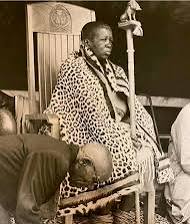
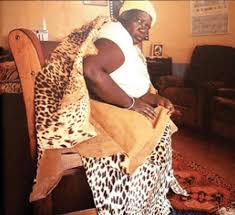
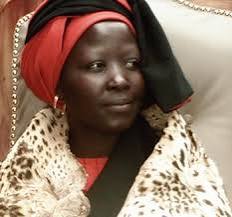
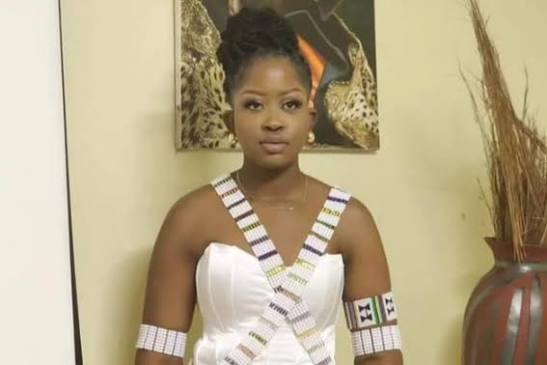
Meet the women whose portraits carry the story of the Balobedu Queenship. Explore their history, the founding houses and the communities of the nation.
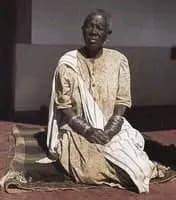
The faces of the Queenship
These photographs and identifications are drawn from the Royal Modika Heritage Archive. Earlier Rain Queens I and II are included in the succession account; portraits for them are not yet available in the collection.
Beyond the court
Explore Balobedu marriage and kinship, agriculture and exchange, land, rain traditions, dance and attire through research-led introductions.
Explore living culture → · View the photo gallery →The restored institution
With its royal capital at Khetlhakoni, the Balobedu Queenship connects 138 villages in the community account, served by traditional leaders known as Ntona. Oral tradition places the resolution of a fierce royal dispute at Lebyeni around 1800, when the throne passed to Modjadji. South Africa formally recognised the Balobedu Queenship in 2016, restoring its standing in the national framework for traditional leadership. The Rain Queen and the Modjadji royal institution are central to this history.
The archive will examine the earlier boundaries of the polity, the effects of apartheid era administration and the villages assigned to Gazankulu and Lebowa. The commission’s findings and original maps should be read alongside oral testimony before detailed territorial claims are published.
Explore the Queenship →An inclusive collection
These collection pathways are starting points. Names follow the community account supplied for this museum. The historical relationships and local spellings remain open to review with knowledge holders and original records.
The Rain Queen, royal institution, leadership, ceremony and living history of the Queenship.
The two branches named by the community are Mamaila Kolobe Tona (“the senior warthog”) and Mamaila Mphotwane.
Lineage accounts, praise poetry, places and leadership histories. Early transcripts record Sekgopo among the names associated with Mohale’s descendants.
Community accounts of Sebela, including migration traditions recorded in the Mathekga and Modiba transcripts.
Masha elders trace their community from Mahasha, with a move toward the Lepelle River and Sekhukhune area around the 1700s. Mamabolo has its own collection pathway.
A warthog-totem community in the Sekhukhune district, named in the contributed family account.
Rabothata and Makgoba, including accounts of Makgoba communities in the Makgobaskloof area. Their histories and totem traditions deserve dedicated documentation.
Two further communities named by a contributor. Their places, leadership histories, praises and family accounts await documentation by their custodians.
Related founding house accounts, settlements and clan praises. The Royal Modika archive holds the deeper family collection.
Visit Royal Modika ↗“Bohosi ha se bja o lwelwa, kha bjona ke o pepiwa pele”
An elders’ teaching on royal inheritance, shared for documentation and interpretation.How the museum grows
The museum brings together oral histories, photographs, praise poetry, family archives, research publications, maps and public records. Each item should identify its contributor, place, date where known, and the basis for its account. Different traditions can be presented side by side without erasing their differences.
Material from the Royal Modika Heritage Archive can be linked and adapted here with clear attribution. Living contributors and custodians should guide how sensitive or restricted knowledge is described.
Explore the research desk →