The institution and its people
Balobedu Queenship
The Queenship is a living institution rooted in ancestry, rain traditions, royal counsel and responsibility to the people of Bolobedu. Its royal capital is at Khetlhakoni.
Identity
Re ana kolobe ya lešako
The Balobedu founding house tradition identifies the warthog, kolobe ya lešako, as its totem. The phrase “Re ana kolobe ya lešako” affirms that identity. The wider nation includes communities with other totems, including the elephant clans of Rabothata and Makgoba; their distinctive histories belong in the same national archive.
The contributor’s account describes 138 villages in the Queenship, with traditional leaders known locally as Ntona. The count and the names of villages will be documented through a village register and official records as they become available.
Royal dress and identity
Ma apara Nkwe
In the community account shared for this museum, Ma apara Nkwe means “those who wear leopard skin.” The leopard skin is also called Lethebo. The expression evokes formal dress and visible dignity associated with royalty in parts of Southern Africa. It is part of the language through which families recognise royal identity. A contributor remembers a school in Limpopo called Boapara Nkwe, associated with children of royal houses. The same family memory names Botshabelo near Middelburg, Mpumalanga, as a place where some royal children, especially those being prepared for the throne, attended school. The Steve Tshwete municipal history records schools and teacher training at Botshabelo. The particular royal attendance tradition and the history of Boapara Nkwe still need school registers or further oral testimony.
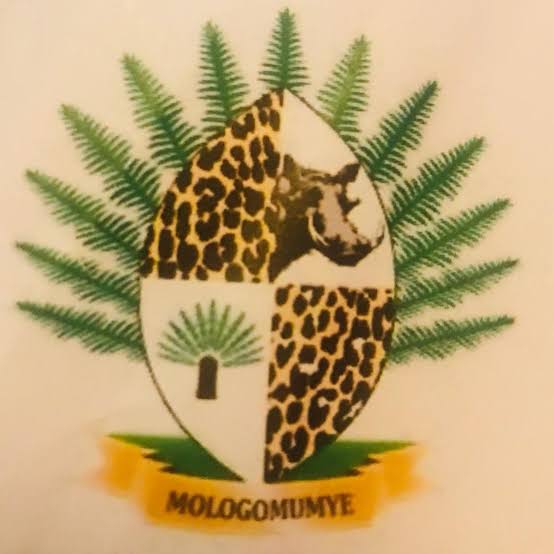
The leopard motif in this museum’s emblem honours that account. The Balobedu founding house’s totem remains kolobe ya lešako, the warthog; the wider nation includes lineages with other totems and histories.
Royal capital
Khetlhakoni
Khetlhakoni is remembered as the royal place and centre of the Modjadji court. From the capital, the queen’s institution has been connected to village leadership, royal houses, councillors and the many communities of the nation. A contributor’s family testimony recalls founding-house descendants living at and beside the royal court.
The court and its associated places deserve a carefully documented record of names, photographs, oral histories and maps, with guidance from custodians about material that may be shared publicly.
Authority and service
The queen and the nation
Balobedu teaching understands Queenship as both spiritual and communal responsibility. Rain traditions are part of its sacred history; counsel, relationships among royal houses and care for communities are part of its continuing public role. The first Rain Queen is placed around 1800 in the historical tradition, following earlier male rulers.
The Modika family account holds that a Modika princess served beside each Rain Queen as a right-hand woman. This tradition will be developed through named biographies and records of service.
Royal marriage and the Rain Queen’s household followed distinct customs in the elders’ account. Read the account of marriage and kinship →
Meet the Rain Queens →Living heritage
Rain songs and the royal court
Rain traditions include song, dance, homage and relationships with the wider community. Researcher Annekie Joubert recorded songs at the Modjadji royal capital and distinguishes lova songs that honour the Queen from lesugu rain songs associated with the legobathele dance. Her study attends to the circumstances of performance, the sung words and their interpretation.
These forms belong to the people who carry them. The museum can document their history and invite recordings and translations with the knowledge and consent of performers and custodians.
Read the research source →The transition · around 1800
The resolution at Lebyeni
Balobedu oral tradition remembers Lebyeni as a royal capital where a fierce dispute over succession was resolved by placing Modjadji on the throne. The Modika clan praise remembers Lebyeni as a place of contention among royals, invoking rival claims to the royal place. The praise is evidence of remembered conflict; the account of a resolution handing the throne to the Rain Queen is the family’s oral interpretation and should be recorded with its narrators.
From about 1800, the Queenship took a distinct form. The Queen lived in seclusion, while royal nobles from the founding Modika, Mahasha and Mohale houses and their later branches supported the court and its responsibilities. In the Modika family tradition, a Modika princess stood beside the Queen as her right-hand woman, providing counsel and continuity with the founding houses.
The Kriges’ account also describes seclusion in the early Rain Queen era, but its genealogy and dramatic account of the succession differ from this oral tradition. Both records are retained with attribution.
Royal Modika clan praises and history ↗ · Rain Queen succession →Balobedu family account
Identifying a successor
According to the founding-house account contributed to this museum, naming a successor to the Balobedu throne calls for consultation among representatives of the senior Modika, Mahasha and Mohale houses, with the Modjadji court. The account also remembers the roles of Modjadji and Mogoto in this royal process. It describes a shared decision rooted in lineage and custom, rather than a pronouncement by one branch alone.
The contributor’s concern is that the reduction of the institution’s status during the twentieth century obscured this wider circle of consultation. He regards the reported participation of the founding houses in the process concerning Masalanabo Modjadji VII as consistent with that tradition. The underlying anthropological report has not yet been added to this archive, so its participants and conclusions should be checked against the document itself.
South African legislation speaks of identification by the “royal family concerned” with due regard to applicable customary law and customs. It does not itself name the Modika, Mahasha or Mohale houses as participants. This page records the specific Balobedu account separately from the statutory process and from any court determination.
Read the legislation and source note →A national inheritance
Modjadji beyond Bolobedu
The name Modjadji became known far beyond the royal capital through the Rain Queens’ association with rainmaking, diplomacy and relationships with neighbouring communities. A South African government account describes the reputation of the Rain Queen as spreading across Southern Africa and beyond. Stories of particular rulers and visitors belong to the historical record and oral tradition; claims about supernatural powers are presented as beliefs, not verified events.
The Balobedu Queenship is part of the living heritage of its people and of South Africa’s wider cultural inheritance. The South African Heritage Resources Agency (SAHRA) identifies the Modjadji dynasty as part of the national estate. In 2014 SAHRA and government partners established a memorial honouring the dynasty at Ga-Modjadji, and SAHRA’s annual report describes its graves as culturally significant. This national-estate recognition concerns the dynasty and memorial heritage; it should not be confused with the separate legal recognition of the Queenship in 2016.
The succession of women rulers, rain songs, clan praises, royal counsel and the places where this history is kept make the story a national one while its custodianship remains rooted in Balobedu communities.
SAHRA heritage brochure ↗ · 2014 memorial announcement ↗ · Source notes →Recognition
Restored in law
Government recognised the Balobedu Queenship in 2016. In December 2024 the President legally recognised Masalanabo Modjadji VII as Queen. These are separate recognitions: one concerns the status of the Queenship and the other the person recognised to hold it. A court challenge to the latter recognition was reported in September 2026. In its December 2024 account, the government described the Balobedu institution as South Africa’s only legally recognised Queenship.
2016 official notice ↗ · 2024 government account ↗