Community histories · Kolobe
Balobedu ba Mamabolo:
dikolobe tša Bjatladi
The story of Mamabolo carries memories of a northern journey, the warthog totem and settlement at Bjatladi. These accounts connect Balobedu communities while preserving the distinct history of the Mamabolo branches.
01 / Ancestral journey
From Bokgalaka to the south
Two historical Northern Sotho transcripts in the University of Pretoria collection place the remembered beginnings of the Mamabolo in Bokgalaka. They describe movement southward through the Letshitele area and into the country associated with Bolobedu and Bjatladi. Neither transcript establishes a precise year for the migration. Routes, names and sequence are best read as recorded oral history rather than a fixed itinerary.
A. S. Letsoalo’s account remembers Seolwana and Mamabudusa in the migration narrative, and Maribe in the history of Bjatladi. The Mamabolo transcript numbered 373 also names Mamabudusa, Seolwana, Mohlaume, Mulareng and Maribe among figures in the remembered line. The relationships and spellings need comparison with family testimony.
02 / Dikolobe tša Bjatladi
The land and the totem
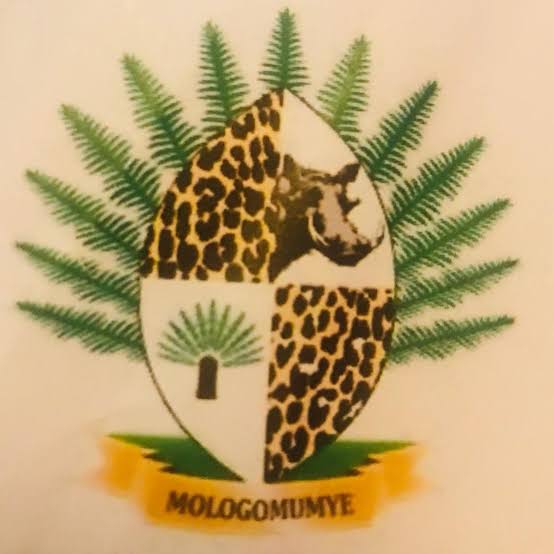
Kolobe, the warthog, is the totem named in both records. Letsoalo describes the move to Bjatladi and remembers fertile land where grain could grow. The phrase dikolobe tša Bjatladi therefore speaks to a people, their totem and a place in their history.
Letsoalo also records later Mamabolo branches associated with Mankweng, Seripa, Tswana and Mokgekolo, and describes a Mamabolo presence around Matlalwe near Haenertsburg, east of Polokwane. These names mark strands of a wider history; the surviving transcript should not be flattened into a single unbroken succession.
03 / Shared and distinct histories
Balobedu and the Mamabolo branches
In a note following the Bjatladi account, Letsoalo says Balobedu, ba Kgopa, ba Letsoalo and smaller groups such as Sekgopo had once been together with the Dikolobe, and associates the Mamabolo movement to Bjatladi with the dispersal of branches. This is Letsoalo’s recorded account of a shared past, not a complete genealogy of every community named.
The contributed description Balobedu ba Mamabolo places this history within the museum’s wider Balobedu collection. Further oral testimony, clan praises and local records can deepen the account of Bjatladi and the Mamabolo houses without erasing the distinctions between them.
Explore the community histories →Reading the records
Sources and interpretation
This introduction draws on the supplied digitised University of Pretoria transcripts numbered 373 (Mathomo a ba ga Mamabolo, author attribution to be confirmed from the scan) and 399/K34/63 (A. S. Letsoalo’s Mamabolo history). They are historical accounts in Northern Sotho, with variant spellings and imperfect machine transcription. The quoted community phrase and broader framing were contributed by the museum’s custodian. Dates in a separate contributed working genealogy are approximate and have not been used to date events here.
Read the source records →